
Smartphone-Based Blood Pressure Monitoring
New methods leverage smartphone sensors to track blood pressure, offering a portable alternative to traditional cuffs and expanding access to cardiovascular monitoring.
Exploring the devices, techniques, and genetic innovations reshaping healthcare and agriculture across Asia and beyond.

Researchers developed a low-cost laparoscope by repurposing an iPhone flashlight, demonstrating how consumer technology can be adapted for surgical use in resource-limited settings. The innovation points toward more accessible medical devices worldwide.
Read MoreThe intersection of biotechnology and accessible medical technology represents one of the most promising frontiers in global health equity. Across Asia, researchers and entrepreneurs are finding ingenious ways to repurpose everyday consumer electronics into life-saving diagnostic and surgical tools. This spirit of frugal innovation does not sacrifice quality for cost; rather, it demands creative engineering that can thrive in resource-limited settings. By reimagining what is possible with components already at hand, these pioneers are building a bridge between cutting-edge science and the communities that need it most. Their work underscores a fundamental truth: meaningful progress in medicine often comes not from complexity, but from clever simplicity.
Women are reshaping the biotechnology and startup landscape across Asia, bringing diverse perspectives to fields ranging from agricultural science to pharmaceutical development. The commitment to elevating women in science is not merely about representation; it is about harnessing the full spectrum of talent needed to solve complex biological challenges. Female entrepreneurs are founding ventures that address neglected health issues, sustainable food systems, and environmental remediation with a collaborative approach that often prioritizes community impact alongside profitability. Mentorship networks and grant programs specifically designed to support women in STEM are gaining momentum, creating pathways for the next generation of leaders who will define the future of bio-innovation.
The gut microbiome has emerged as a central topic in both health research and the food technology sector, with scientists uncovering profound connections between intestinal bacteria and overall wellbeing. Startups across Asia are translating these discoveries into products that support digestive health, mental clarity, and immune function through targeted nutrition and probiotic formulations. This growing field sits at the crossroads of microbiology, food science, and personalized medicine, offering opportunities for interdisciplinary collaboration. As research continues to reveal how diet, environment, and lifestyle shape our microbial ecosystems, the potential for innovations that promote health from the inside out becomes increasingly tangible for consumers and clinicians alike.
Sustainable biotechnology is redefining how industries approach agriculture, materials, and waste management across Asia. By harnessing biological processes, startups are developing alternatives to petroleum-based plastics, creating carbon-capture solutions, and engineering crops that require fewer chemical inputs. These innovations address pressing environmental concerns while opening new economic opportunities in rural and urban communities alike. The shift toward bio-based production methods represents a fundamental rethinking of industrial design, where waste becomes feedstock and natural cycles inform manufacturing. As governments and investors increasingly prioritize green technologies, the biotechnology sector stands poised to deliver scalable solutions that balance ecological responsibility with economic growth.
New methods leverage smartphone sensors to track blood pressure, offering a portable alternative to traditional cuffs and expanding access to cardiovascular monitoring.
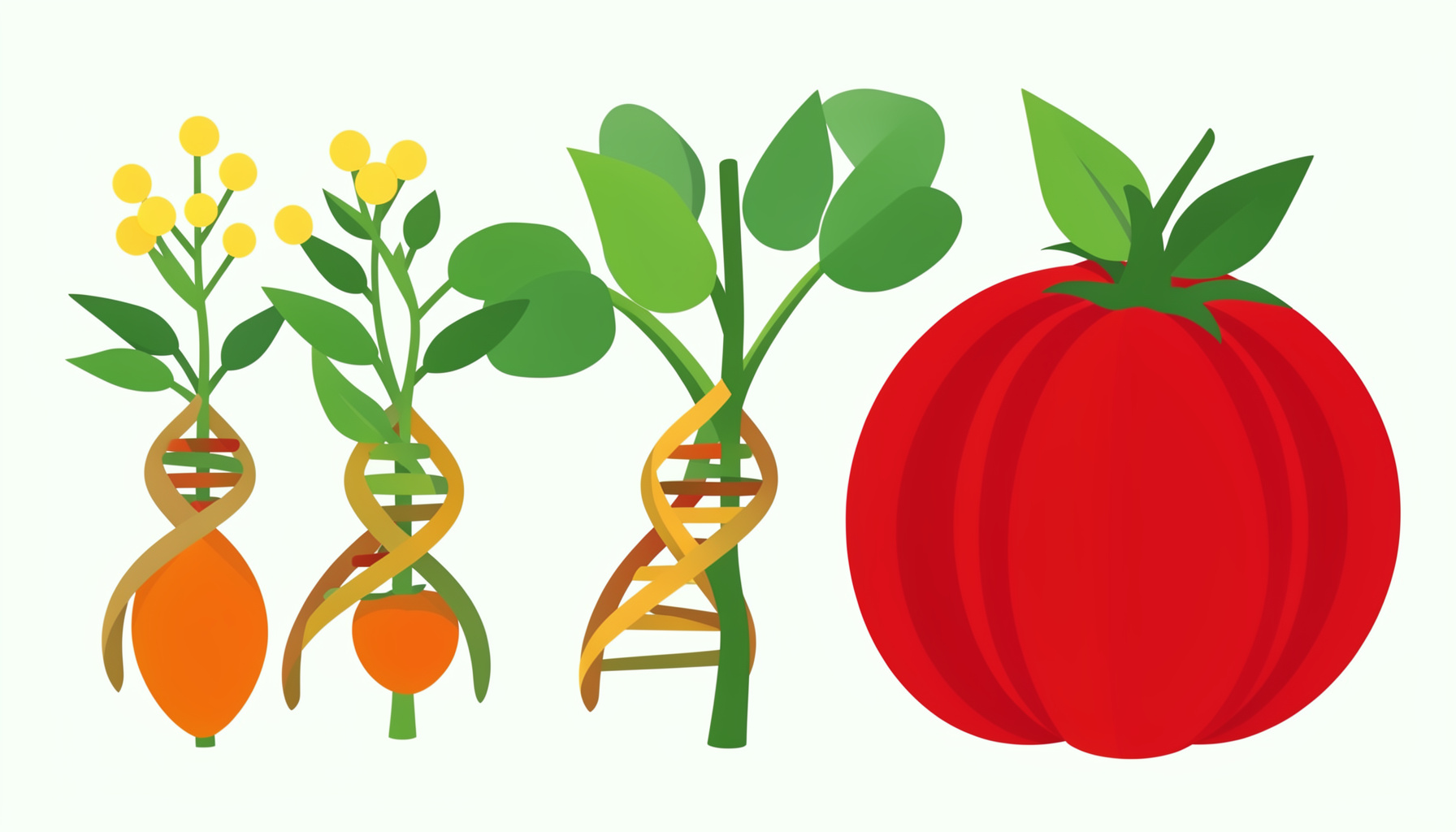
Genetic modifications and selective breeding have produced remarkable diversity in tomato varieties, revealing how DNA manipulation shapes the food on our plates.

A study highlighted how prolonged smartphone use in the dark can cause temporary vision loss, raising awareness about the neurological effects of everyday screen habits.

An undergraduate researcher created a smartphone application aimed at early autism screening, showcasing how student-led biotech projects can address pressing healthcare needs.

A serendipitous lab discovery revealed bacteria capable of consuming metal and processing carbon, with potential implications for bioremediation and industrial biotech.

Research found that analyzing gut microbiota can enhance the accuracy of type 2 diabetes risk assessments, opening new avenues for preventive healthcare strategies.
Follow Biostandups for the latest in medical devices, genetic research, and health technology from Asia's growing biotech ecosystem.
Explore Bio News